Welcome to Hull York Medical School
Continuing professional development

Practical Skillsin Virtual Anatomy and Morphology

Course length

12 weeks part-time

Start date

September 2026

Location

York campus

Apply now
Health Technology and Human Anatomy students

Advances in medical imaging and digital technologies have transformed the way anatomy can be explored, analysed and communicated.

CT, MRI, surface scanning and 3D modelling now allow highly detailed digital anatomical models to be created for applications ranging from research and education to healthcare and medical technology.

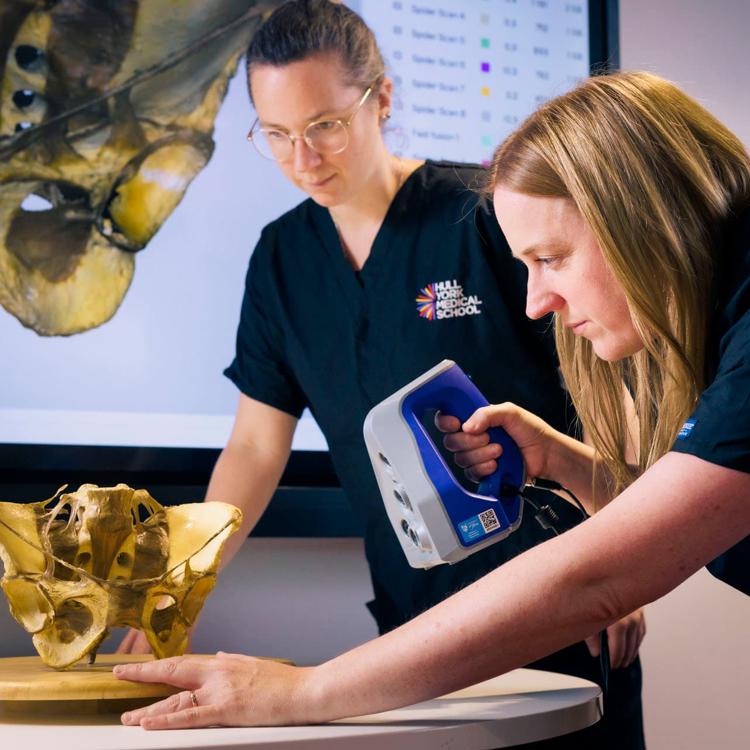
In this practical module, you will develop the skills to create, manipulate and analyse digital anatomical models using contemporary virtual anatomy workflows. Working with real anatomical datasets, you will learn how different imaging modalities are used, how 3D models are generated, refined and prepared for applications including 3D printing, and how anatomical variation can be quantified to answer meaningful biological and clinical questions.

These practical skills are transferable across healthcare, academia and health technology, providing a strong foundation for further study, research and professional practice using digital anatomy and 3D technologies. 

You will receive 20 Level 7 credits on successful completion of the module.

Contact Us

[email protected] 01904 321690
Laura Fitton
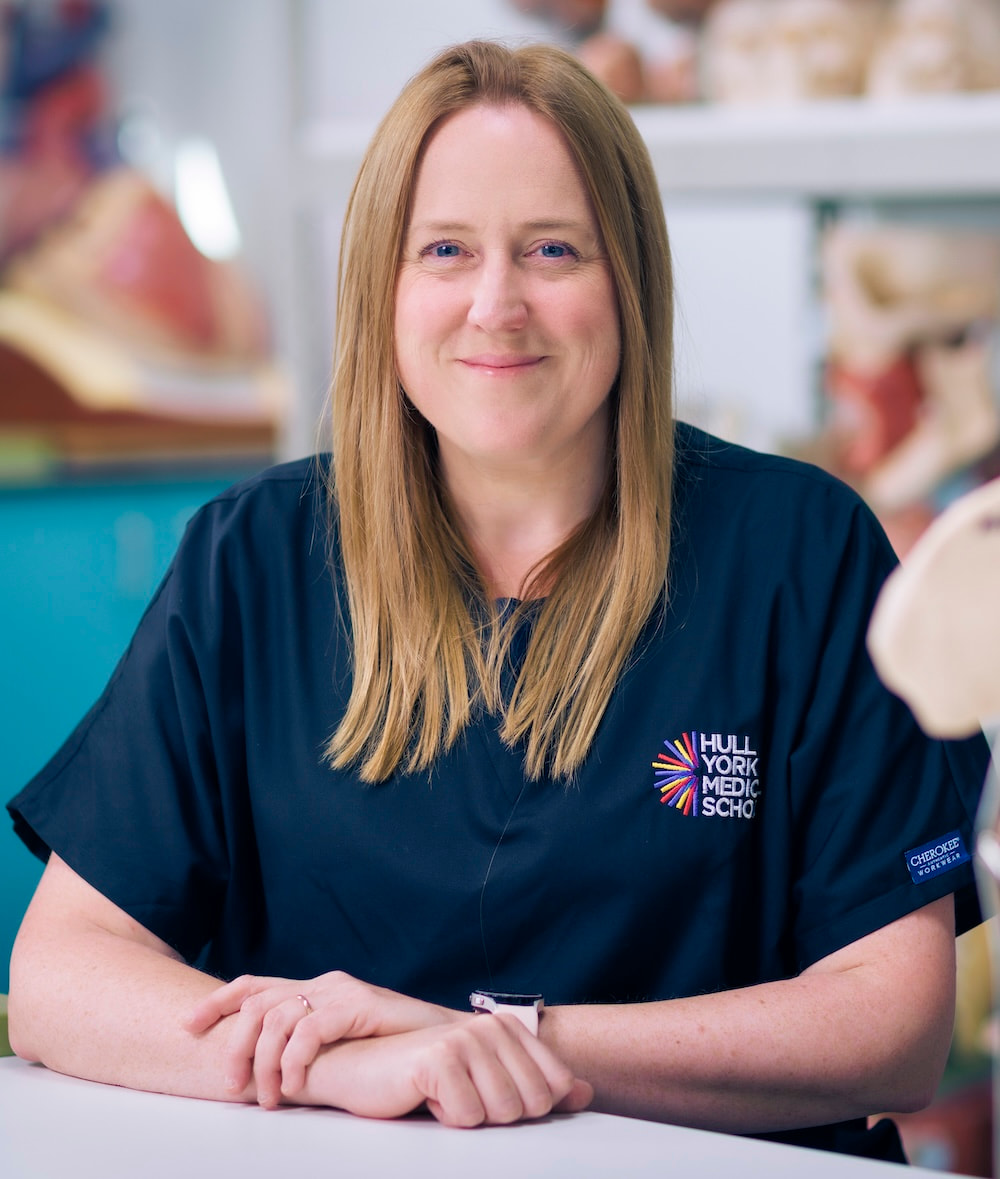
Dr Laura Fitton, MBBS Anatomy Lead and Senior Lecturer in Anatomy, Hull York Medical School Module Lead and Tutor, MSc Health Technology and Human AnatomyView profile
Dr Emily Hunter
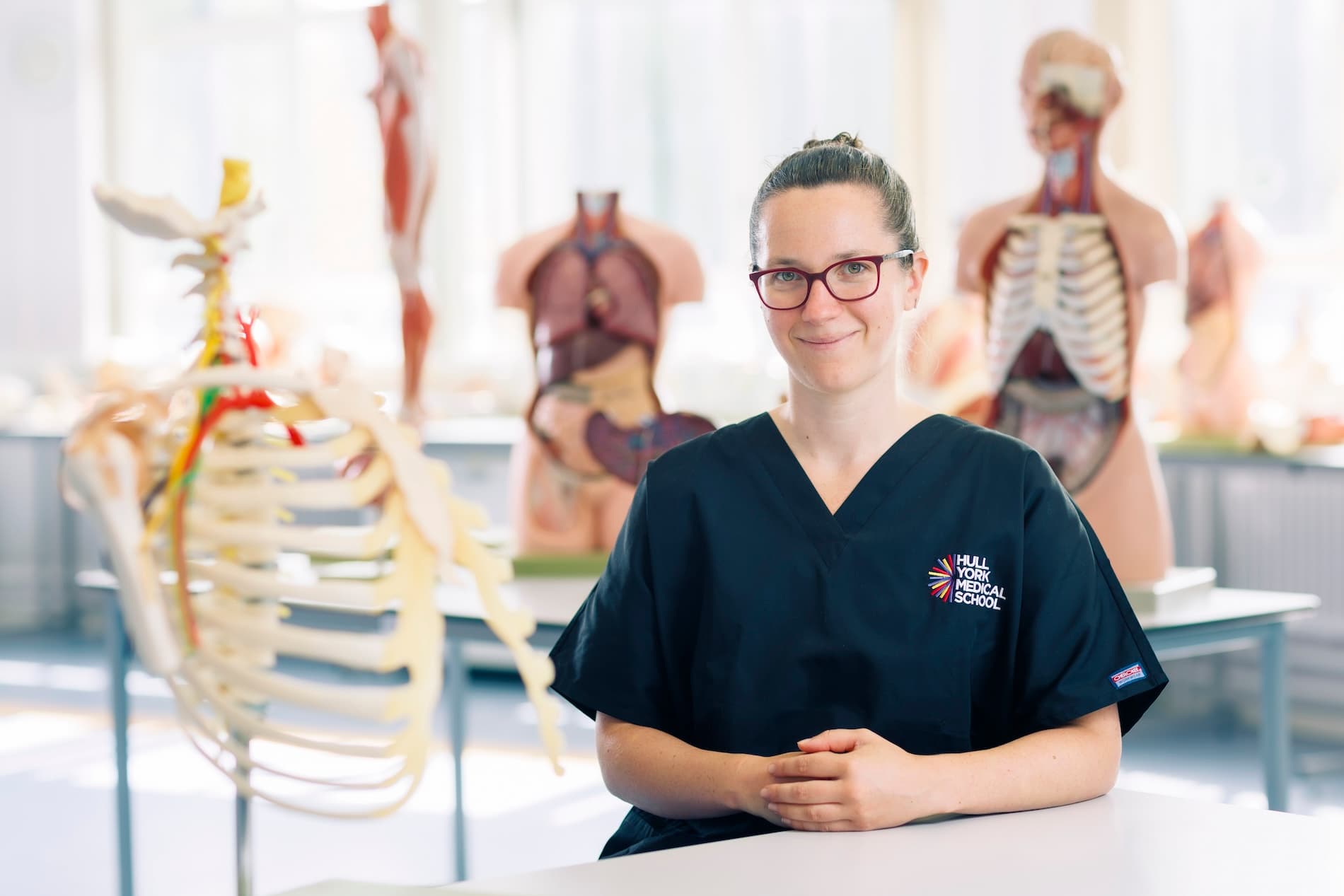
Dr Emily Hunter, Lecturer in Clinical AnatomyView profile
University of Hull - Hull York Medical School

Who is this short course for?

This short course is suitable for healthcare professionals, researchers and graduates wishing to develop practical skills in Digital Anatomy, medical imaging, 3D modelling and virtual morphology. It is particularly relevant for those interested in anatomy, surgery, biomedical engineering, health technology, archaeology, biological anthropology and related research fields.

The module may be taken as a standalone CPD course or, where applicable, as part of the MSc Health Technology and Human Anatomy.

Teaching and assessment

What you will learn

By the end of this course, you will be able to:

  • Critically evaluate the strengths and limitations of different imaging modalities for specific scientific questions.
  • Create, visualise and manipulate 3D digital anatomical models from medical imaging and surface data.
  • Apply appropriate image processing and segmentation techniques to generate high-quality anatomical models.
  • Quantify anatomical variation using a range of morphometric approaches and interpret the results appropriately.
  • Critically evaluate digital anatomy workflows and communicate findings through a structured laboratory report.


How is this short course delivered?

The module combines four face-to-face practical workshops at the University of York with seven guided computer practical sessions that may be attended in person or online. Teaching is centred on hands-on activities using real anatomical datasets, supported by preparatory online learning materials.

Time commitment

As a 20-credit Level 7 module, the total learning time is approximately 200 hours, including contact time, guided practical activities and independent study (approximately 16 hours per week across the module).

Assessment

  • Summative assessment: 2,500-word laboratory report based on the analysis of digital anatomical datasets.
  • Formative assessment: 1,500-word laboratory report with feedback to support the final submission.

Applying

Entry requirements

Applicants should normally hold an undergraduate degree (strong 2:2 or above) or postgraduate qualification in a relevant discipline.

We welcome applicants from a wide range of backgrounds, including healthcare, biological sciences, engineering, archaeology, anthropology and related disciplines where there is an interest in biological form, medical imaging, digital modelling or morphological analysis.

This module is particularly suited to applicants who are interested in creating, analysing and applying digital models to investigate anatomical or morphological variation.

Previous experience of anatomy or morphology is beneficial, but applicants with relevant professional, research or technical experience are also encouraged to apply.

Fees and funding

Tuition Fees

The fee for this short course for the academic year 2026/27 is

  • Home (UK): £1,494
  • International (including EU): £3,650

Fees are reviewed annually and may change.

University of Hull - Hull York Medical School

applying

How to apply

Apply online now.

The deadline for applications is 30 August 2026. 

If you have any enquiries, please email [email protected].

Get our continuing professional development newsletter Subscribe now