Welcome to Hull York Medical School
Continuing professional development

Clinical Anatomyof the Limbs and Spine

Course length

12 weeks part-time

Start date

February 2027

Location

Hull campus

Apply now
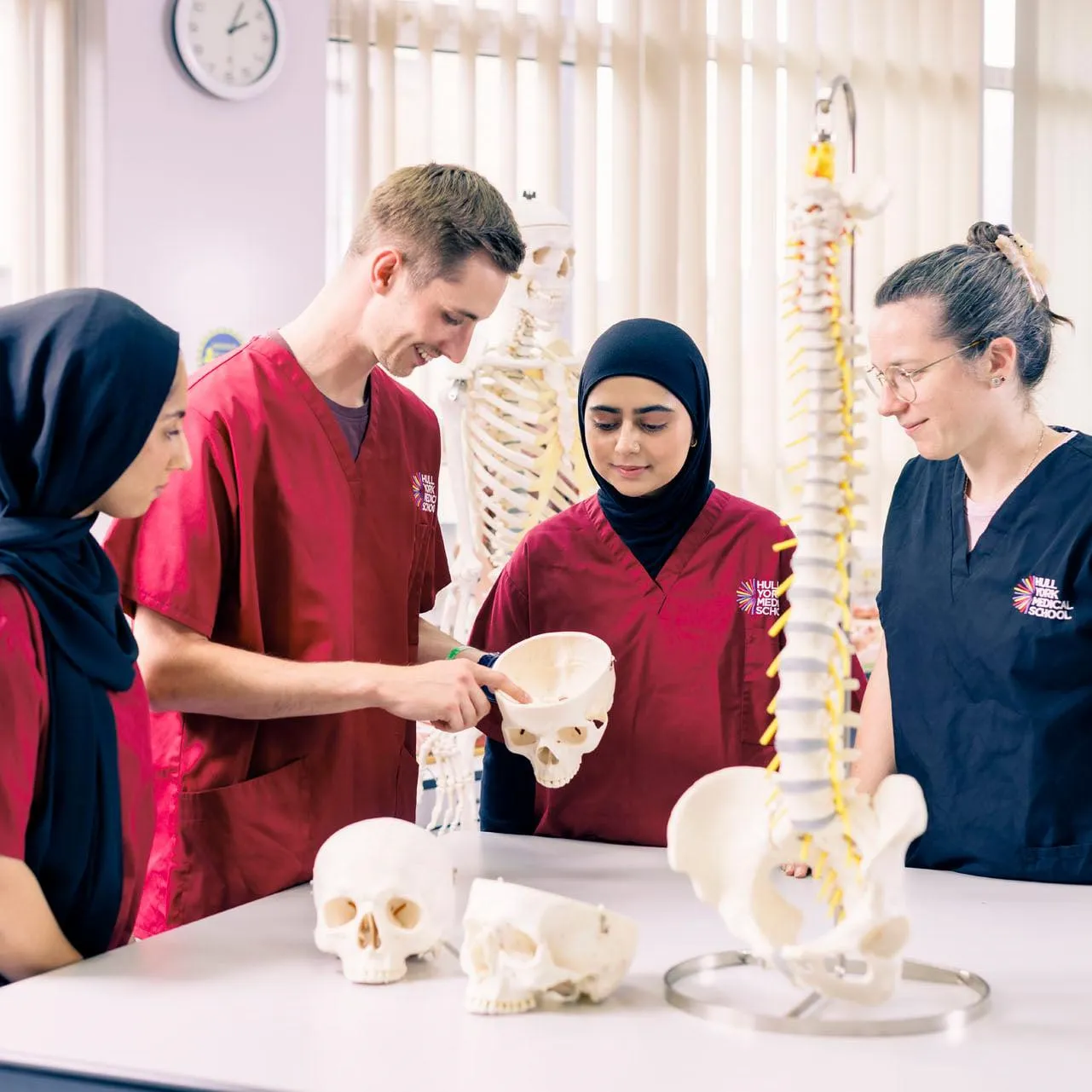
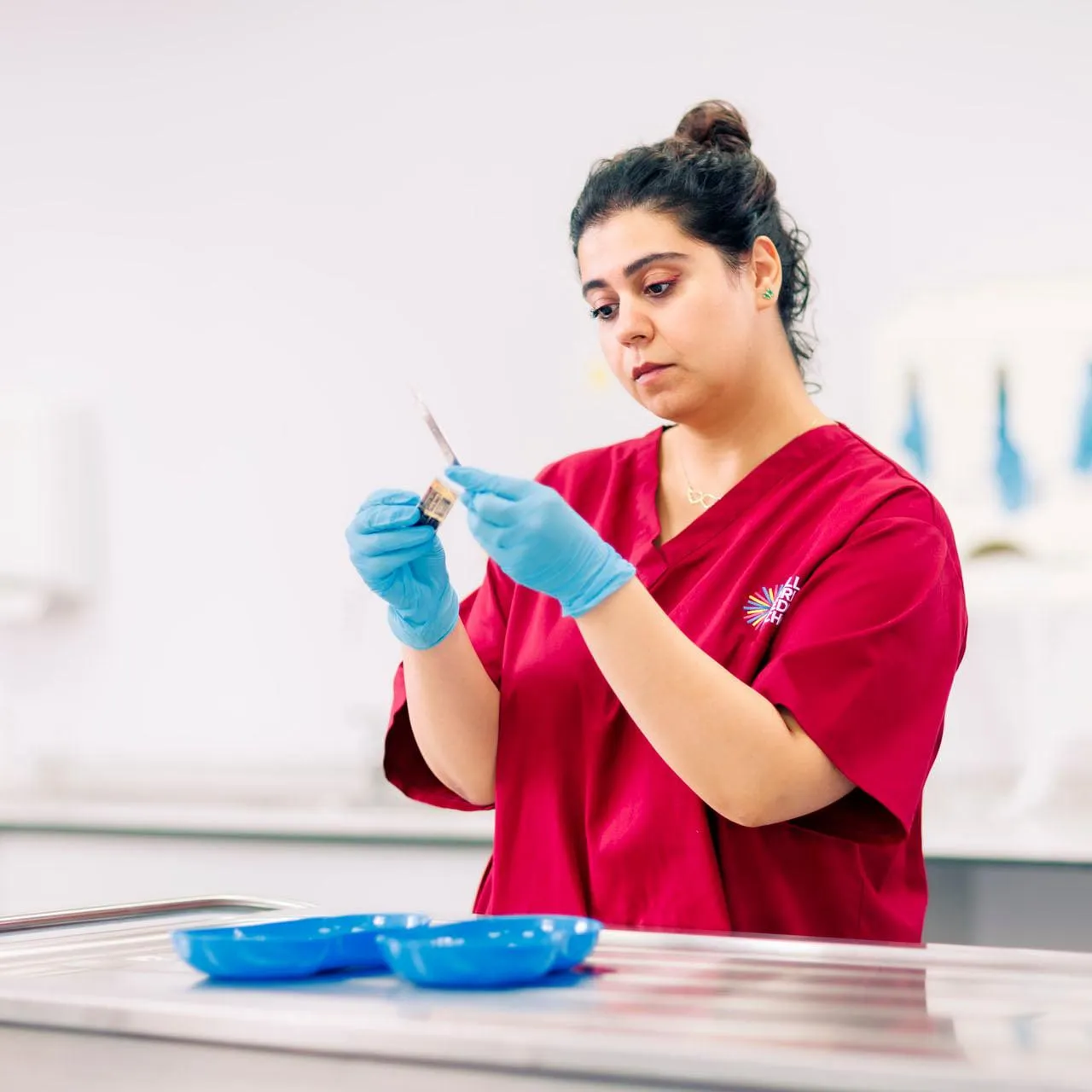
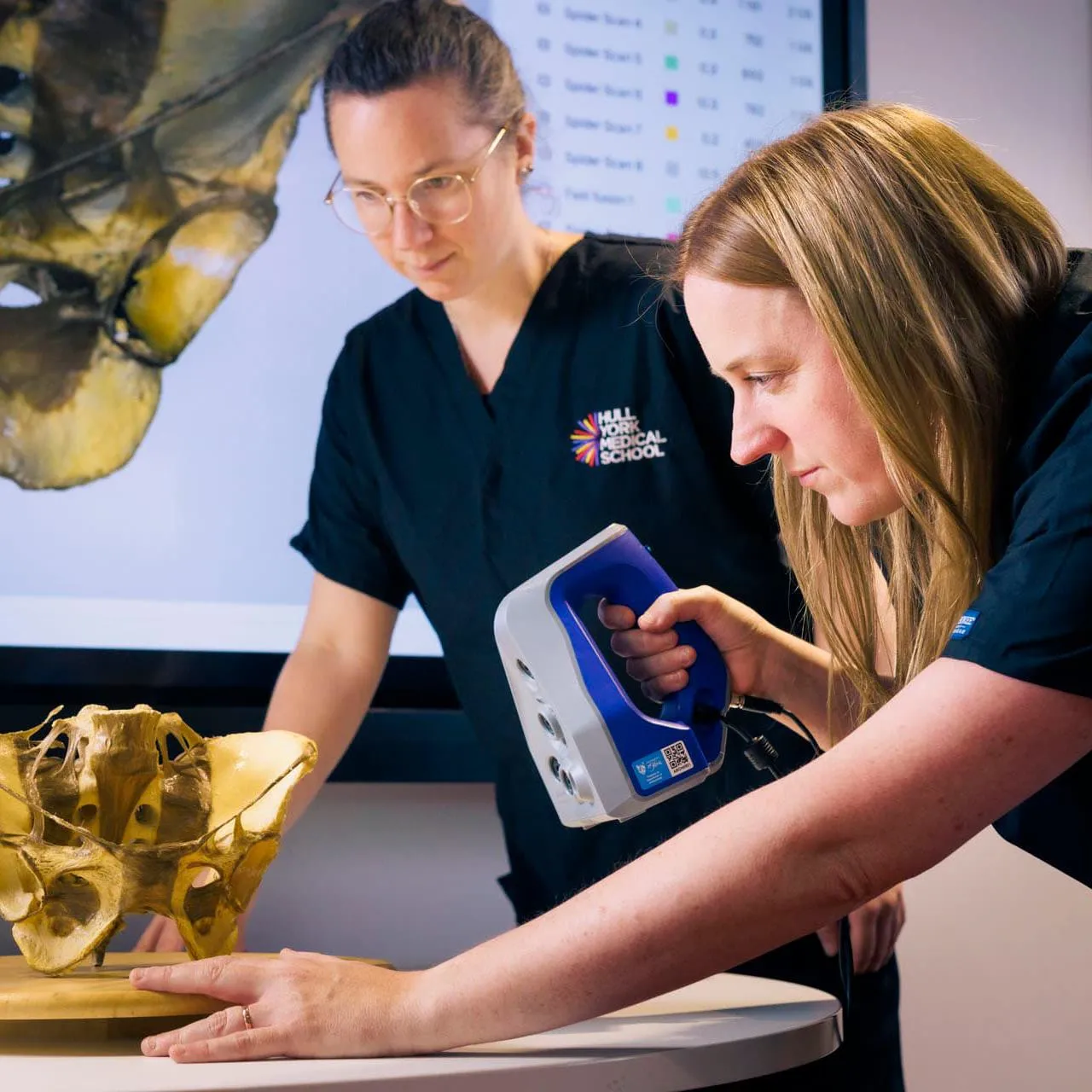
Medicine students examining anatomy models

Build advanced knowledge of the clinical anatomy of the upper and lower limbs, vertebral column and back through an immersive combination of human donor dissection, seminars, tutorials and independent study.

This Level 7 CPD short course is designed for those who want to strengthen their spatial, topographical and relational understanding of anatomy and apply it confidently in clinical, educational or research settings. Through detailed exploration of normal and variant anatomy, you will deepen your understanding of how structure relates to movement, function, injury and disease. 

Key areas include:

  • Clinical anatomy of the vertebral column and back
  • Clinical anatomy of the upper and lower limbs
  • Anatomy of the pectoral and pelvic girdles
  • Anatomical variation and its relevance to clinical practice
  • Structural and functional basis of disease and injury
  • Introductory biomechanics
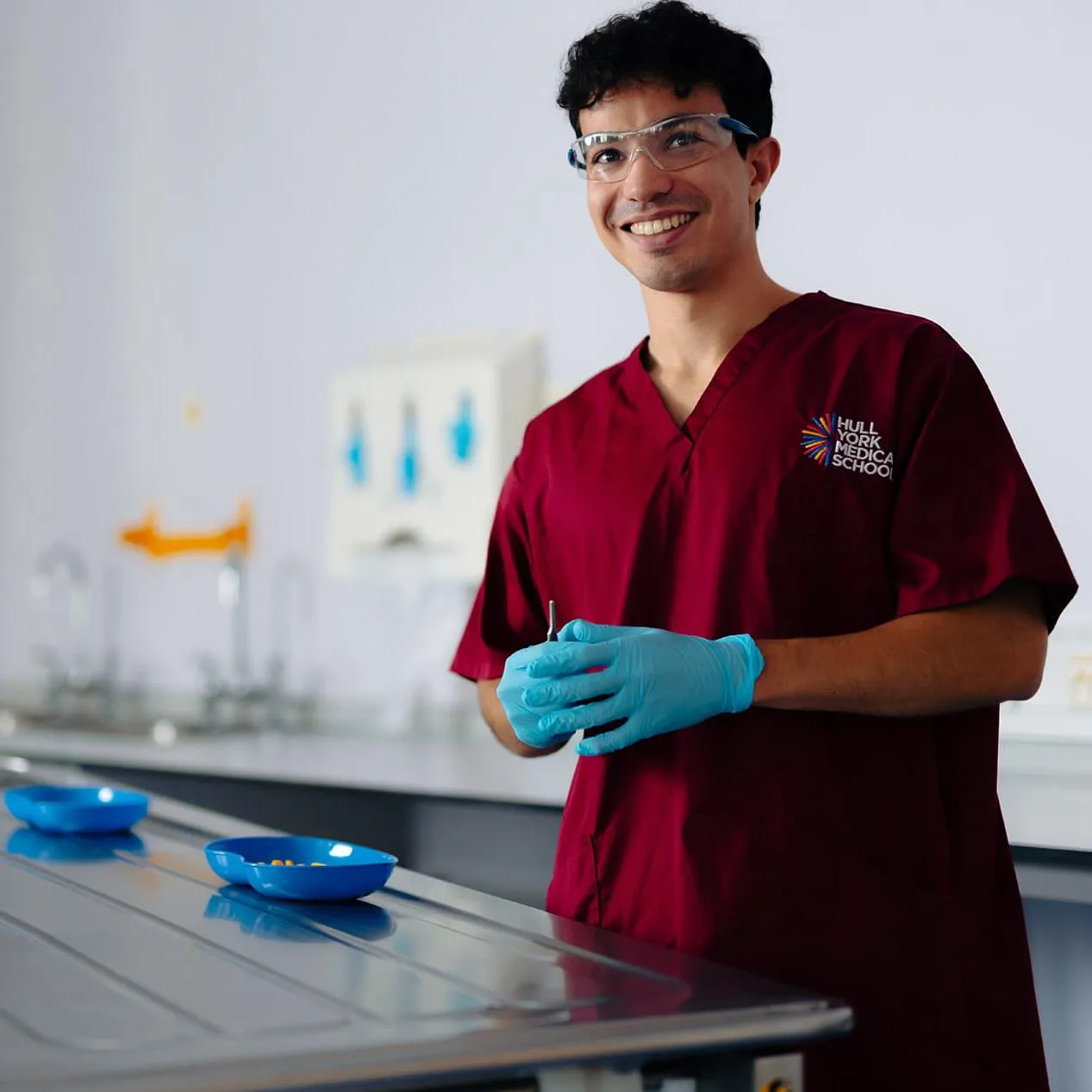
  • Practical dissection skills and laboratory techniques

A distinctive feature of the course is its integration of guided dissection with clinically focused teaching. This approach helps you connect regional anatomy with real-world practice, supporting sharper anatomical observation, stronger clinical reasoning and a more applied understanding of the human body.

You will also have the opportunity to develop practical dissection skills, manual dexterity and anatomical observation, while building a more critical and applied understanding of the trunk.

Learning activities include:

  • Guided practical dissection of Thiel-embalmed human body donor
  • Self-directed dissection and anatomical investigation
  • Clinician-led seminars and tutorials
  • Preparatory reading and structured tasks through the virtual learning environment
  • Independent study to develop clinical, functional, radiological and anatomical knowledge
  • Portfolio-based learning and reflection

Students will be encouraged to engage critically with regional anatomy, anatomical variation, functional relationships and the clinical relevance of the structures they study.

You will receive 20 Level 7 credits on completing this short course, including passing the assessments.


Contact Us

[email protected] 01904 321690
Dr Anju Albert
Dr Anju Albert, Lecturer in Clinical AnatomyView profile
Amy Tomlinson
Ms Amy Tomlinson, Lecturer in Clinical AnatomyView profile
University of Hull - Hull York Medical School

Who is this short course for?

This course is suited to healthcare professionals, clinicians in training, anatomy educators, demonstrators, allied health professionals and researchers who want to strengthen their applied understanding of the limbs and spine.

It is also appropriate for those wishing to refresh or extend their anatomical knowledge for professional practice, teaching, specialist development or further study.

Eligible applicants may take this course as a standalone CPD option or as part of the PGCert/PGDip/MSc in Clinical Anatomy and Education or PGCert/PGDip/MSc in Clinical Anatomy.

Teaching and assessment

What you will learn

You will study the clinical anatomy of the vertebral column, back, upper limb and lower limb, alongside the pectoral and pelvic girdles. The course explores anatomical variation, the structural and functional basis of disease and injury, introductory biomechanics, and the clinical relevance of regional anatomy.

By the end of the course, you will be able to:

  • Apply detailed anatomical knowledge of the limbs, vertebral column and back to clinical and professional contexts.
  • Explain the anatomical basis of selected diseases, injuries and clinical presentations.
  • Interpret anatomical variation and understand its relevance to assessment and practice.
  • Develop practical dissection skills and strengthen anatomical observation in the laboratory.
  • Critically evaluate anatomy in modern practice, linking structure to function, movement and clinical decision-making.

How is this short course delivered?

The programme combines tutor-led and self-directed cadaveric dissection with seminars, tutorials and guided independent study. Practical sessions focus on detailed dissection of the limbs and spine, supported by structured preparatory learning and guided tasks.

Alongside the practical work, seminars explore the clinical, surgical and applied dimensions of the region. You will benefit from direct interaction with tutors and facilitators from anatomically relevant clinical and non-clinical disciplines, helping you connect your learning to your own professional or specialist interests.

Structured preparatory activities and learning resources are provided through the virtual learning environment to support independent study throughout the course.

Time commitment

As a 20 credit level 7 module, the total time commitment, including contact time and self-directed learning, is 200 hours. Across the module, this is approximately 16 hours per week, including timetabled sessions.

Assessment

Learning is assessed through a written portfolio that incorporates academic content and reflective elements. This provides a structured opportunity for students to consolidate their learning, demonstrate depth of understanding and reflect on the development of their anatomical knowledge and skills.

Anatomical knowledge is assessed through a practical anatomy spotter (or spot-test) examination.

Applying

Entry requirements

An undergraduate (strong 2.2 or above) or postgraduate degree in a relevant subject containing significant anatomy, such as:

  • Anatomy, Medicine, Medical Engineering, Physician Associate Studies, Veterinary Medicine
  • Biological or Biomedical Science and related programmes (Zoology, Bioengineering), with significant evidence of anatomy study (curricular or extra-curricular)

Applicants are encouraged to highlight previous anatomical experience in the application.

Fees and funding

Tuition Fees

The fee for this short course for the academic year 2026/27 is

  • Home (UK): £1,951
  • International (including EU): £4,782

Fees are reviewed annually and may change.

University of Hull - Hull York Medical School

applying

How to apply

Applications for this short course will be accepted soon. Sign up for our Continuing Professional Development newsletter to be informed when applications open.

The deadline for applications is 9 January 2027.

If you have any enquiries, please email [email protected].

Get our continuing professional development newsletter Subscribe now