Develop advanced knowledge and practical understanding of the clinical anatomy of the head and neck through regional dissection, seminars, tutorials and independent study.
This short course is designed for those seeking a deeper understanding of the spatial, topographical and relational anatomy of the head and neck, with clear application to clinical practice, education, research and professional development. You will explore the region in anatomical, developmental, functional, biomechanical and radiological contexts.
Key areas include:
- Clinical anatomy of the head, face and neck
- Anatomy of the cranial cavity and cranial nerves
- Anatomy of the oral cavity, nasal cavity, pharynx and larynx
- Neurovascular anatomy of the head and neck
- Anatomical basis of common clinical presentations, disease and injury
- Anatomical variation and its clinical significance
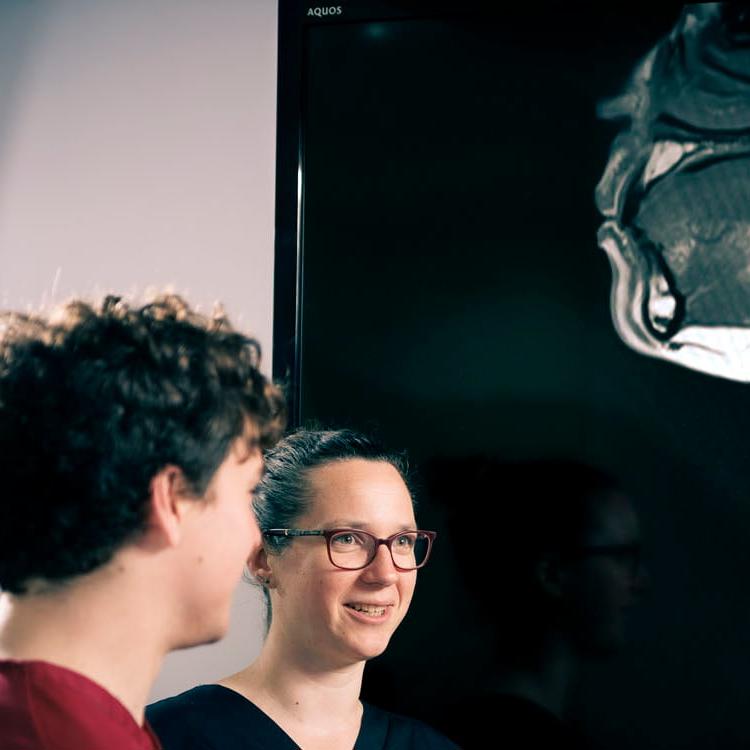
- Radiological and functional anatomy
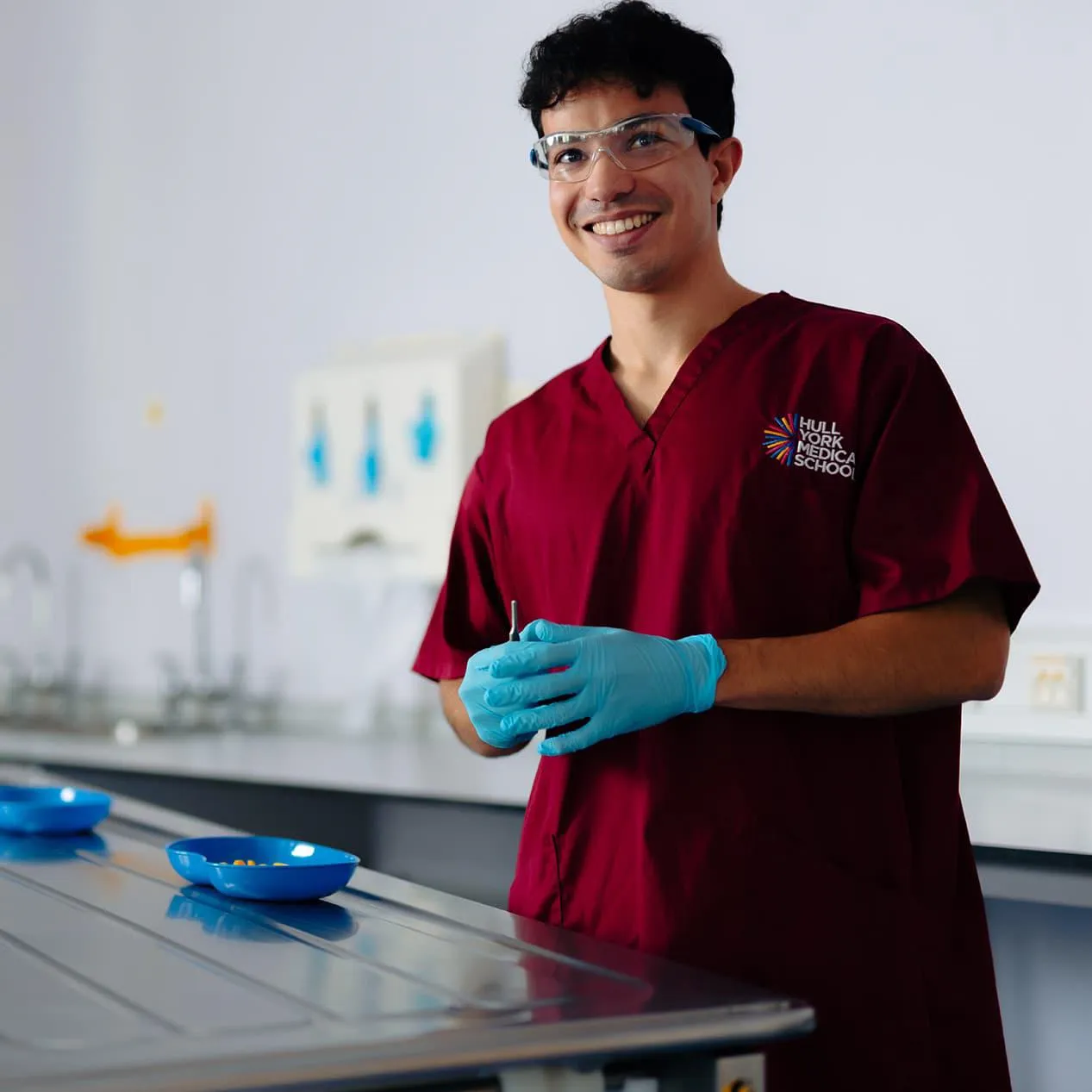
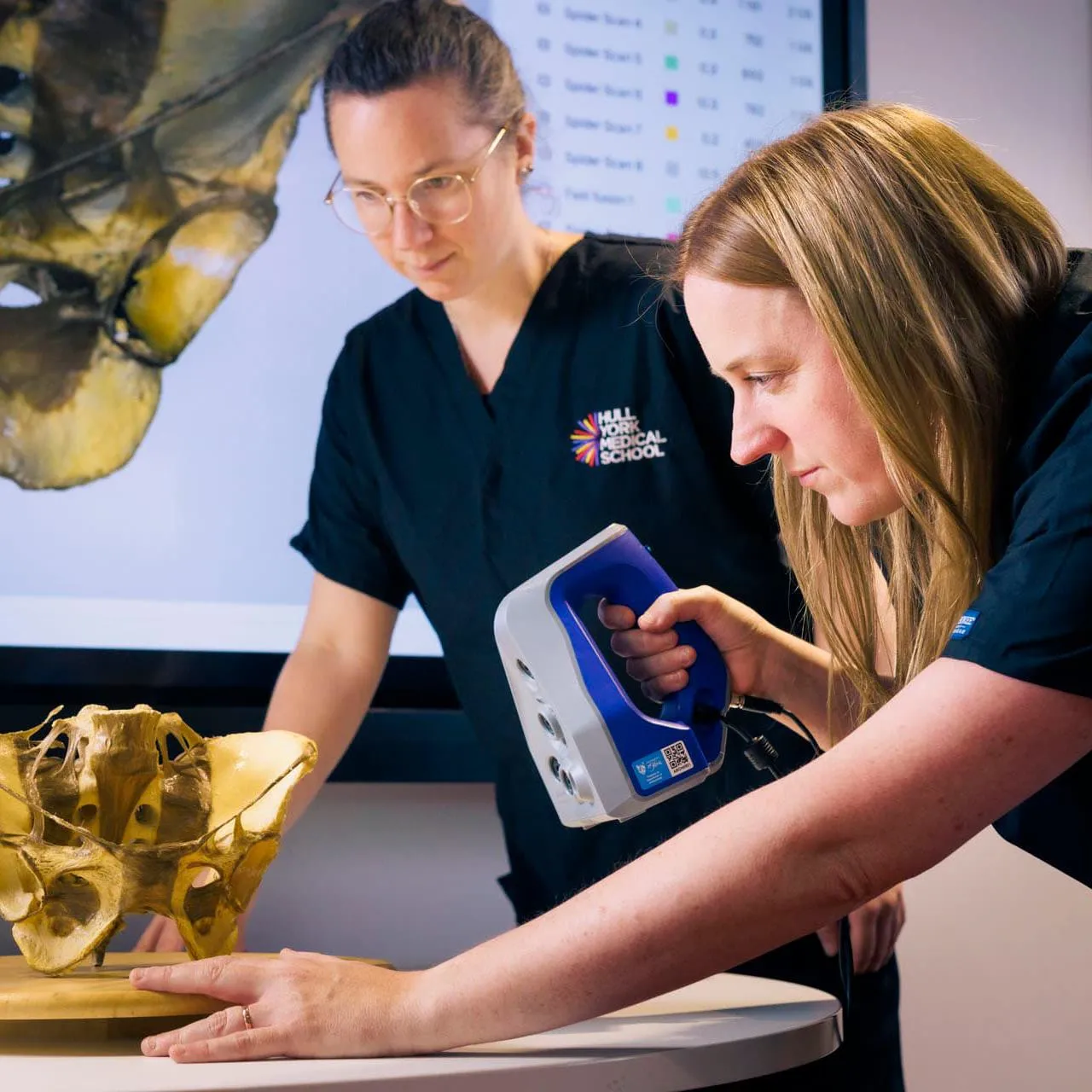
- Practical dissection skills and laboratory techniques
Through guided dissection and clinically integrated teaching, you will examine the anatomical basis of disease, injury and clinical presentation in one of the body’s most complex regions. Direct engagement with human anatomy will help you appreciate intricate anatomical relationships, normal variation and their significance in clinical and surgical practice.
You will also have the opportunity to develop practical dissection skills, manual dexterity and anatomical observation, while building a more critical and applied understanding of the trunk.
Learning activities include:
- Guided practical dissection of Thiel-embalmed human body donors
- Self-directed dissection and anatomical investigation
- Clinician-led seminars and tutorials
- Preparatory reading and structured tasks through the virtual learning environment
- Independent study to develop clinical, functional, radiological and anatomical knowledge
- Portfolio-based learning and reflection
Students will be encouraged to engage critically with regional anatomy, anatomical variation, functional relationships and the clinical relevance of the structures they study.
You will receive 20 Level 7 credits on completing this short course, including passing the assessments.